
How to prepare to walk?
Whether you’re strolling the gentle banks of the Thames River, or striding out high in the majestic Dolomite mountains, being equipped with the proper attire and footwear will enhance your experience tenfold.
As you prepare for your upcoming walking vacation, it’s crucial to ensure you have the right gear to make the most of your journey. Nobody wants to be wet, too hot (or cold!) and uncomfortable on the trail, so read on for our guide on what to bring and how to prepare.

Investing in sturdy, well-fitting hiking boots or shoes is paramount for any walking excursion.
Prioritize comfort, support, durability and a good sole grip when selecting your footwear.
Opting for traditional leather hiking boots or a lighter waterproof boot with good ankle support is a matter of personal choice.
Whatever you choose, before embarking on your journey, it’s essential to break in your shoes to prevent blisters and discomfort. Wear them around the house, to the mall, or on short walks to allow your feet to adjust gradually.
One Boston surgeon has been wearing his to and from the operating theater every day for a couple of months. A Canadian lady has worn hers from getting out of bed in the morning and around the house for several months, before eventually using them outside.
If you and your boots are already old friends, make sure you renew the waterproofing if necessary before you travel.

When choosing what to wear for days on the trail, opt for lightweight, moisture-wicking fabrics that offer breathability and quick drying properties.
Layers are your best friend, allowing you to adjust to changing temperatures throughout the day.
Here’s a breakdown of clothing items you may want to pack in your suitcase:
Base Layer: Start with a moisture-wicking base layer to keep sweat away from your skin and regulate body temperature.
Mid-Layer: Add an insulating mid-layer, such as a fleece or lightweight jacket or sweater, to provide warmth in cooler conditions.
Outer Layer: Finish off with a waterproof and windproof shell to protect against rain, wind, and unpredictable weather.
Pants: Opt for quick-drying and durable hiking pants or convertible pants that can be unzipped into shorts when temperatures rise. Denim isn’t great as it can chafe – and it takes an age to dry!

Socks – Invest in high-quality, moisture-wicking socks to prevent blisters and keep your feet dry. Pack several pairs and carry a spare pair in your daypack, in case your feet do get wet.
Hat and Gloves – Pack a foldable, brimmed, lightweight hat to protect against sunburn, that drop of rain, or colder temperatures at higher elevations. There’s nothing more miserable than having cold hands, and a pair of light fleece gloves take up no room at all in a pocket.
Daypack – The great thing about our Walks is that we take care of everything and our bus is never too far away with snacks, water and even a ride should you need it!
So, no need to carry a big backpack. Just a small, light daypack to sling over your shoulders that keeps your hands free is ample for your immediate personal needs and possessions.
Last but not least, don’t forget sunscreen, sunglasses, perhaps binoculars, and of course your camera!
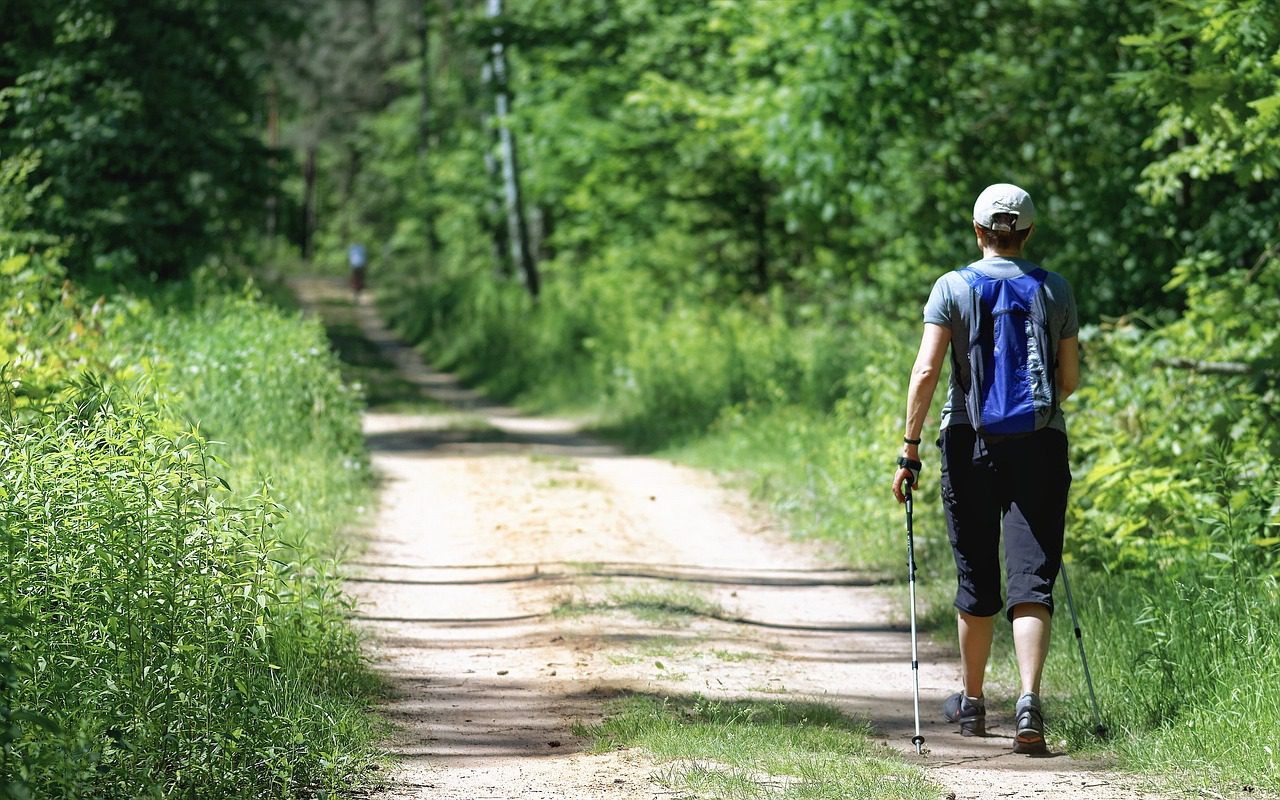
Walking poles provide added stability and support, particularly on uneven terrain, reducing strain on the knees and joints. Poles also help distribute weight more evenly, improving balance and posture while increasing walking efficiency.
Poles can help you going up a slope, as well as giving you stability. Just pushing with your arms (even a little) makes it easier to climb.
However, some may find them cumbersome to use, especially on flat terrain or when navigating obstacles. Additionally, carrying poles requires extra energy and may limit hand mobility. Overall, while walking poles can enhance your hiking experience, it’s essential to consider personal preference and terrain conditions before deciding to use them.
One or two poles? Only using one pole means you always have a free hand should you need it. However, you don’t have as much stability as you would have with two poles.
If you do opt to use them then they should be lightweight and telescopic to fit in your baggage and daypack. If you want to give poles a try, we can always loan you some for the Walk!
Proper preparation and the right gear can make all the difference to your walking adventure. By selecting the best footwear and clothing that is right for you, and appropriate to your destination, you’ll stay comfortable and ready to embrace your time on the trail and the wonders of the great outdoors.